Multilingual Charting: Bridging Language Gaps in TCM Practice
Dx Chart Team
February 3, 2026
5 min read
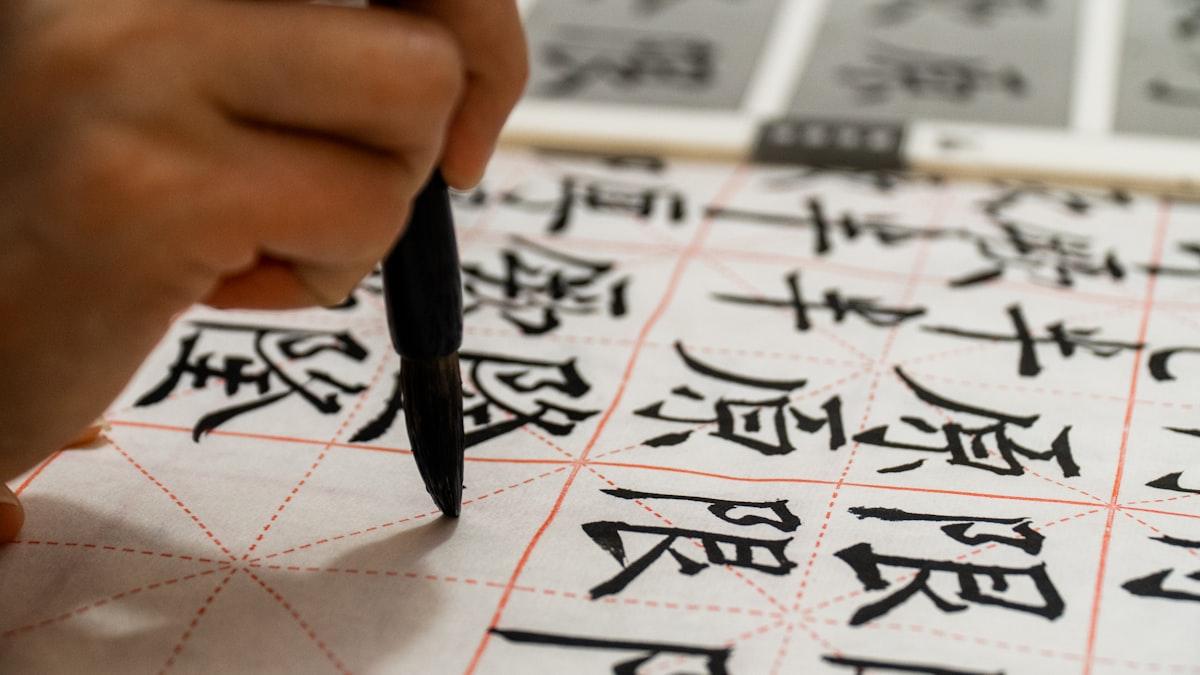
A significant number of acupuncturists practicing in the United States received their training in East Asia. They think in Korean, Chinese, or Japanese. Their deepest clinical knowledge lives in the language they learned it in.
Yet every chart note, SOAP report, and insurance document must be written in English.
This language gap isn't just an inconvenience — it's a daily obstacle that slows documentation, increases errors, and forces practitioners to mentally translate their clinical reasoning in real time.
The Scale of the Problem
According to NCCAOM data, a substantial percentage of licensed acupuncturists in the US are first-generation immigrants from China, Korea, Japan, and Vietnam. Many completed their TCM training entirely in their native language before passing English-language licensing exams.
These practitioners are fully qualified clinicians. But documentation speed and quality suffer when you're thinking in one language and writing in another — especially under the time pressure of a busy clinic day.
The impact shows up in multiple ways:
- Slower charting — mentally translating clinical observations from Korean or Chinese to English adds significant time to every note
- Less detailed documentation — it's easier to write less when you're writing in a second language, so clinical nuance gets lost
- Inconsistent terminology — the same TCM concept might be documented differently across visits because the practitioner is translating on the fly each time
- Insurance denials — vague or inconsistent documentation makes it harder to demonstrate medical necessity, leading to rejected claims
Why Generic Translation Doesn't Work
The first instinct might be to use Google Translate or a similar tool. But generic translation services fall short for clinical documentation in specific ways:
TCM terminology gets mangled. 氣滯 (Qi Stagnation) becomes "air delay." 血瘀 (Blood Stasis) might become "blood bruise" or "blood silt." These aren't just awkward — they're clinically meaningless in an English-language medical record.
Medical conventions are ignored. Clinical documentation follows specific formatting and phrasing conventions. Insurance reviewers and auditors expect language like "patient reports a 4/10 pain level, reduced from 7/10 at initial presentation" — not "the patient said the pain is now small, it was big before."
Context is lost. A standalone phrase like "간기울결" (Liver Qi Stagnation/Depression) might be translated correctly in isolation, but generic AI doesn't know to connect it to the pulse findings, tongue diagnosis, and treatment rationale documented elsewhere in the same note.
What Clinical Translation Actually Requires
Effective translation for acupuncture documentation needs three layers:
1. TCM Vocabulary Mapping
Standard, consistent English translations for Chinese medical terminology:
| Term | Clinical Translation |
|---|---|
| 氣滯 | Qi Stagnation |
| 血瘀 | Blood Stasis |
| 陰虛 | Yin Deficiency |
| 脾氣虛 | Spleen Qi Deficiency |
| 肝陽上亢 | Liver Yang Rising |
| 風寒 | Wind-Cold |
| 濕熱 | Damp-Heat |
These mappings need to be consistent across every note, every visit, every patient. A practitioner typing 혈어 (Blood Stasis in Korean) should always get "Blood Stasis" — not "blood silt" one day and "blood stagnation" the next.
2. Medical English Conventions
The output needs to read like it was written by a native English-speaking clinician:
- Standard SOAP note structure and phrasing
- Proper use of acupuncture point nomenclature (GB-21, not "gallbladder 21" or "jianjing")
- Quantified outcomes ("pain reduced from 7/10 to 4/10" rather than "pain improved")
- Professional tone appropriate for medical records
3. Clinical Context Awareness
The translation should consider the full visit context, not just isolated phrases. When a practitioner writes a treatment rationale in Korean, the AI should know what tongue and pulse findings were documented, what points were selected, and what the patient's chief complaint is — so the English output tells a coherent clinical story.
A Real-World Example
Consider a Korean-speaking acupuncturist treating a patient with chronic shoulder pain. Their clinical notes include:
肩井穴과 天宗穴 주변 압통 심함. 어혈 정체로 인한 통증으로 판단. 활혈거어 치법 적용.
A clinically-aware AI translates this to:
"Significant tenderness around GB-21 (Jianjing) and SI-11 (Tianzong). Pain assessed as due to Blood Stasis. Treatment principle: Invigorate Blood and Dispel Stasis applied."
Notice what the translation does: it converts Korean point names to standard alphanumeric nomenclature with Chinese pinyin, uses accepted English translations for TCM treatment principles, and produces a note that reads naturally in a medical record.
A generic translator would likely produce something like: "Severe pain around the shoulder well acupoint and the celestial ancestor acupoint area. Judged to be pain caused by blood stasis. Applied the treatment method of activating blood and removing stasis." Technically understandable, but not the kind of documentation that holds up under insurance review.
Supporting the Whole Practice
Multilingual charting isn't just for the treating practitioner. It benefits everyone in the practice:
- Front desk staff can read chart notes when scheduling follow-ups or answering patient questions
- Billing specialists can verify that documentation supports the ICD-10 codes being submitted
- Referring providers receive professional clinical summaries they can actually read
- Patients who request their records get documentation that other healthcare providers can interpret
- Auditors see consistent, well-structured notes that clearly support the billed services
Language Shouldn't Be a Barrier
The clinical knowledge is there. The diagnostic skill is there. The patient outcomes are there. Language should never be the reason a qualified practitioner produces incomplete documentation or loses revenue to denied claims.
Interested in seeing multilingual charting in action? Contact us to schedule a demo.
Keep Reading
Related articles


Ready to love charting again?
Join the acupuncturists who've taken their evenings back.
Lock in Early Bird pricing30-day money-back guarantee · Annual Early Bird pricing
or